Why does the body need alcohol and how can it be got rid
The Truth: Your Body Does NOT Need Alcohol
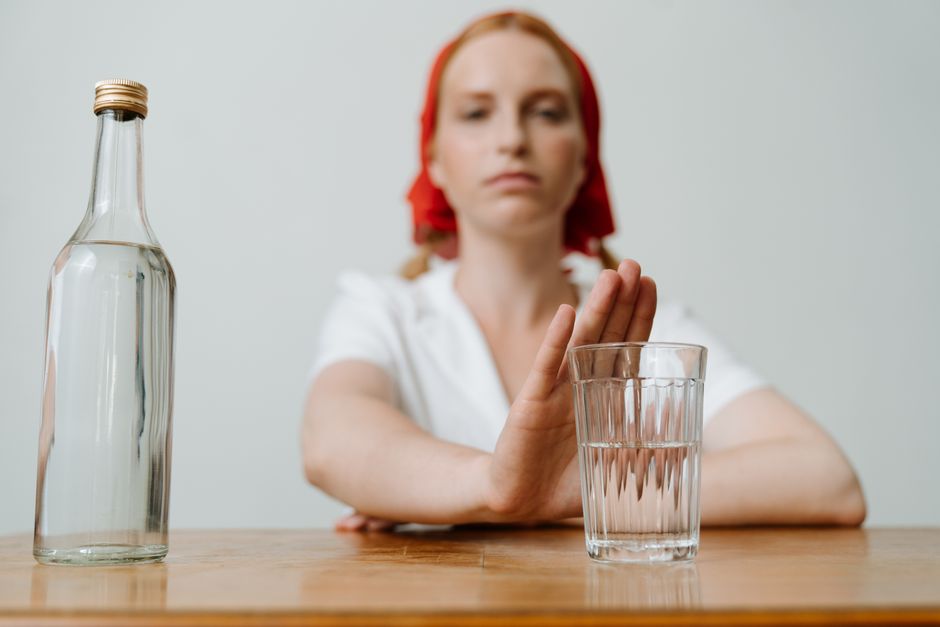
The simple answer is: the human body does not need alcohol to function. This is a critical misconception that many people hold. Your body was designed to thrive without alcohol, and it does not depend on it for survival or optimal health.
Why Do People Think The Body Needs Alcohol?
Despite the biological reality, many people believe alcohol is necessary for several reasons:
Perceived Health Benefits: Popular claims about red wine and heart health have led many to think alcohol has medicinal value. The media has amplified these claims, creating a false sense that alcohol is beneficial.
Social and Relaxation Factors: People use alcohol as a social lubricant or stress reliever. This habit becomes so ingrained that individuals confuse psychological dependency with physical need.
Withdrawal Symptoms: Heavy drinkers experience withdrawal when they stop, which can be uncomfortable. This leads them to believe their body “needs” alcohol, when really they’re experiencing physical dependence.
Cultural Messaging: Alcohol is deeply woven into social celebrations, business meetings, and relaxation culture, making it seem essential to normal life.
The Truth About Alcohol in Your Body
Body Production vs. External Alcohol
Your body does produce tiny amounts of alcohol naturally through fermentation processes in your digestive system. However, these microscopic quantities are completely different from the alcohol you consume in drinks. This natural amount is negligible and serves no biological function.
Alcohol is a Toxin
This is crucial to understand: alcohol is a poison. When you drink alcohol, your body recognizes it as a foreign, harmful substance. Your liver works overtime to eliminate it before it causes damage. External alcohol (ethanol) is classified as a toxin and your body treats it as such.
Zero Nutritional Value
Alcohol provides empty calories with no vitamins, minerals, or essential nutrients. While some foods have small beneficial compounds (like resveratrol in grapes), drinking the alcohol defeats this purpose. You can obtain antioxidants from grapes, berries, or other foods without consuming poison.
How Alcohol Affects Your Body
When you drink alcohol, your body launches a complex detoxification process:
Liver Processing
Your liver becomes the primary defense system. Through a multi-step process, the liver converts ethanol into acetaldehyde (highly toxic), then into acetate. This happens at a rate of approximately one standard drink per hour—a fixed pace your liver cannot exceed, no matter the amount consumed.
Central Nervous System Impact
Alcohol is a depressant that suppresses your central nervous system. It slows brain function, impairs judgment, and affects coordination. Regular consumption rewires your brain chemistry, leading to tolerance, dependence, and addiction.
Widespread Damage
Beyond the liver, alcohol damages:
- Brain cells and cognitive function
- Heart tissue (causing cardiomyopathy)
- Stomach lining (causing ulcers)
- Pancreas (triggering pancreatitis)
- Immune system (increasing infection risk)
Debunking the “Red Wine Health Myth”
For years, media headlines promoted “resveratrol in red wine” as heart-protective. This is largely exaggerated. While resveratrol exists in grapes, the amount in wine is tiny, and the alcohol itself negates any benefit.
Recent research shows no safe level of alcohol consumption. The World Health Organization confirms that any potential benefits are outweighed by documented harms.
Why Eliminate or Reduce Alcohol?
Immediate Benefits of Quitting

People who stop drinking experience remarkable improvements:
- Better Sleep: While alcohol might make you drowsy initially, it severely disrupts sleep quality. Without it, you’ll experience deeper, more restorative sleep.
- Improved Mood: Alcohol is a depressant. Removing it typically reduces anxiety and depression within weeks.
- Weight Loss: Alcohol is calorie-dense (7 calories per gram). Cutting it eliminates empty calories and reduces bloating.
- Liver Recovery: Your liver begins healing immediately. Fatty liver can reverse within weeks to months.
- Clearer Thinking: Mental clarity, focus, and memory improve noticeably.
- Better Skin: Alcohol dehydrates and inflames skin. Quitting leads to clearer complexion.
- Improved Relationships: Better mood and reduced anxiety strengthen your social connections and interactions.
How to Safely Eliminate Alcohol
For Moderate Drinkers
Simply stop drinking. Your body will experience mild discomfort, but nothing dangerous. Most symptoms fade within a few days.
For Heavy or Dependent Drinkers
Medical supervision is essential. Alcohol withdrawal can be serious and requires professional help:
- Gradual Reduction: Work with a doctor to taper alcohol slowly over weeks, preventing dangerous withdrawal symptoms.
- Medical Monitoring: Healthcare providers can prescribe medications to ease withdrawal and prevent seizures.
- Inpatient Treatment: Severe dependence may require hospitalization for safe detoxification.
Alternative Coping Strategies
Replace alcohol with healthy alternatives:
- Exercise and physical activity
- Meditation and deep breathing
- Therapy or counseling
- Social activities not centered on drinking
- Herbal teas, sparkling water, or other beverages
- Creative hobbies and stress management
Timeline for Body Recovery
- Days 1-2: Brain fog, irritability, poor sleep
- Weeks 1-4: Mood improves, sleep better, cravings decrease
- Weeks 4-8: Energy levels rise, skin improves, weight loss begins
- Months 2-3: Liver markers normalize, cognitive improvement
- Months 3-12: Complete reversal of many alcohol-related damage
When to Seek Professional Help
Contact a healthcare provider if you:
- Experience severe withdrawal symptoms (tremors, seizures, hallucinations)
- Have a history of heavy, prolonged drinking
- Feel unable to quit despite wanting to
- Suffer from depression, anxiety, or mental health issues alongside drinking
- Have liver disease or other alcohol-related health conditions
- Need medication to support recovery
Addiction specialists, therapists, and support groups like Alcoholics Anonymous offer proven assistance.
Final Thoughts
Your body doesn’t need alcohol—it needs nourishment, movement, rest, and genuine stress relief. The good news is that quitting or reducing alcohol is one of the most transformative changes you can make. Your body will thank you with better health, clearer thinking, improved relationships, and a more fulfilling life.
Frequently Asked Questions (FAQ)
Q: Does the human body actually need alcohol to function?
A: No, the human body does not need alcohol to survive or function—the withdrawal symptoms heavy drinkers experience reflect physical dependence they’ve developed, not a genuine biological requirement for alcohol.
Q: Is the claim that red wine is good for heart health actually true?
A: It’s largely exaggerated—while grapes contain resveratrol, the amount present in wine is tiny, and the alcohol itself negates any potential benefit, which is why the WHO states there is no safe level of alcohol consumption.
Q: What changes can I expect in the first few weeks after quitting alcohol?
A: In days 1-2 you may notice brain fog and poor sleep, but by weeks 1-4 mood typically improves and cravings decrease, and by weeks 4-8 energy levels rise and skin condition improves as liver function continues to recover.
Conclusion
Contrary to popular belief, the human body has no biological need for alcohol—it’s processed as a toxin your liver works to eliminate, not a nutrient it depends on. Reducing or eliminating alcohol brings measurable benefits within weeks, including better sleep, improved mood, weight loss, and liver recovery. Moderate drinkers can typically stop safely on their own, but heavy or dependent drinkers should seek medical supervision to manage withdrawal safely. ***
Disclaimer: This article is for informational purposes only. Please consult with a qualified healthcare provider for medical advice.
📧 Get More Insights Like This
Join thousands of readers who receive evidence-based personal development tips directly in their inbox.
🌟 Start Your Transformation Today
Ready to take the next step in your personal development journey?
Learn More About Us Browse All Articles